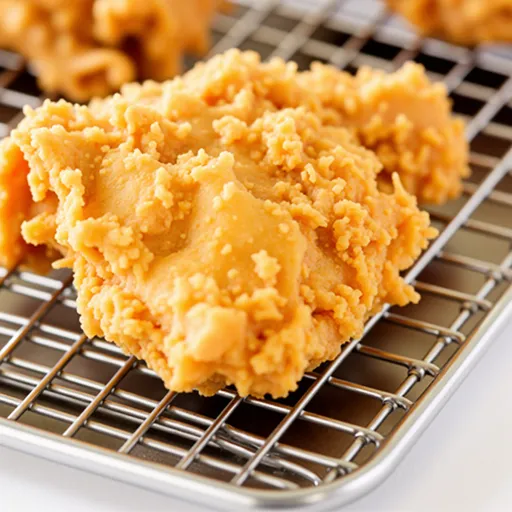
The aroma of perfectly cooked fried chicken is a culinary siren song that transcends generations and cultures. For many, the memory of that first bite of crispy, golden-brown chicken, shattering to reveal tender, juicy meat within, is a cherished one. Perhaps it was from an iconic red-and-white bucket at a summer block party, or a special treat at a family gathering. But whether it’s a nostalgic indulgence or a newfound craving, the quest for truly exceptional fried chicken at home often leads to a common hurdle: achieving that flawless, resilient coating.
Many traditional fried chicken recipes lean heavily on a buttermilk soak, lauded for its tenderizing properties and ability to help breading adhere. While effective, it's not always convenient. How many of us consistently keep buttermilk on hand, or have the foresight to marinate chicken for 24-48 hours? Today, we're sharing a revolutionary approach to crispy fried chicken that sidesteps the buttermilk entirely, offering a quicker, equally delicious, and incredibly reliable method for that coveted crunch. This guide focuses on a two-step batter system that guarantees your coating stays put, delivering a delectable experience every single time.
The Secret to Unbeatable Crispy Fried Chicken: A Batter, Not Buttermilk
One of the most frustrating challenges in preparing homemade fried chicken is the dreaded "slipping" coating. You work hard to perfectly season and dredge your chicken, only for the delicious crust to fall off in the fryer or, worse, on the plate. This is where our buttermilk-free method truly shines. Instead of relying solely on a dry flour dredge that can struggle to bond with the chicken's surface, we employ a clever two-part coating system. This technique ensures superior adhesion and an unparalleled crispness that will have you rethinking all other fried chicken recipes.
The first step involves a simple yet effective batter made from flour, eggs, and water. This liquid mixture creates a smooth, even layer that acts as a robust adhesive for the subsequent dry coating. Think of it as a culinary primer, providing a sticky base that locks everything else into place. By creating this initial bond, you effectively eliminate the common issue of the breading separating from the chicken. Not only does this solve the adherence problem, but it also contributes significantly to the chicken's ultimate texture. This initial moist layer, when combined with a seasoned flour dredge, forms a multi-layered crust that puffs up beautifully and crisps to golden perfection in the hot oil. The best part? No last-minute runs to the grocery store for buttermilk, and no lengthy marination times needed – just pure, unadulterated crispy chicken goodness ready in a fraction of the time. For more in-depth information on this innovative technique, you might want to explore The Batter Secret to Crispy Fried Chicken That Won't Fall Off.
Assembling Your Flavor Arsenal: Beyond Just Salt & Pepper
While the texture of perfectly fried chicken is paramount, the flavor profile is what truly elevates it from good to unforgettable. Our chosen seasoning blend is designed to deliver a rich, savory taste that complements the chicken without overwhelming it. It’s a harmonious combination that brings out the best in every bite, transforming plain chicken into a culinary masterpiece. Here's what goes into our signature blend:
- Garlic Salt: Provides a foundational savory base with a pungent garlic kick. If you don't have garlic salt, simply combine one part garlic powder with three parts salt (e.g., 1 teaspoon garlic powder to 3 teaspoons salt).
- Paprika: Adds a beautiful reddish hue to the coating and a mild, slightly sweet, peppery flavor.
- Black Pepper: Essential for a subtle warmth and aromatic depth.
- Poultry Seasoning: This is where much of the aromatic complexity comes from. Typically, poultry seasoning includes a blend of dried herbs like sage, thyme, rosemary, marjoram, and a touch of nutmeg. These herbs are classic companions to chicken, imparting an earthy, savory, and fragrant essence that is both comforting and incredibly delicious.
Feel free to adjust these quantities to your personal preference, or add a pinch of cayenne pepper for a subtle heat, or onion powder for another layer of savory aroma. The goal is to create a well-rounded flavor that permeates every crunchy bite.
Mastering the Fry: Techniques for Golden Perfection
Frying chicken can seem intimidating, but with the right techniques and a little attention to detail, you can achieve restaurant-quality results in your own kitchen. Precision in preparation and frying is key to avoiding soggy, undercooked, or overcooked chicken.
Prepping Your Bird: Whole vs. Pieces
For the best assortment and control over piece size, we recommend starting with a whole chicken. Cutting up a whole bird allows you to get a nice mix of white meat (breasts, wings) and dark meat (thighs, drumsticks). More importantly, it ensures that all pieces are cut to roughly similar sizes, which promotes even cooking. A standard whole chicken can be expertly broken down into 8 pieces: two drumsticks, two thighs, two wings, and two breast halves. If you're new to butchering a whole chicken, there are plenty of online tutorials that can guide you through the process, making it a valuable skill for any home cook.
The Double-Dip Dance: Coating for Success
This two-step coating process is the cornerstone of our crispy fried chicken guide. It’s simple, effective, and crucial for achieving that superior crunch:
- The Wet Dip: In a shallow dish, whisk together eggs, water, the remaining 1-1/3 cups flour, and a ½ teaspoon of black pepper. This creates your primary batter. Dip each piece of chicken into this egg mixture, ensuring it is fully and evenly coated. Allow any excess to drip off briefly.
- The Dry Dredge: In a separate shallow dish, combine the remaining 2-2/3 cups flour with the garlic salt, paprika, 2-1/2 teaspoons black pepper, and poultry seasoning. Transfer the wet-battered chicken directly into this seasoned flour mixture. Turn each piece, pressing gently, until it is thoroughly coated. The aim is for every surface to be completely covered, creating a thick, shaggy crust that will crisp beautifully.
Working in batches is important to prevent overcrowding the dishes and ensuring each piece gets proper coverage. Set aside the coated chicken on a wire rack while you prepare the oil, allowing the coating to "set" slightly.
Oil Matters: Heating and Frying
Choosing the right oil and maintaining the correct temperature are critical for perfectly fried chicken.
- Oil Choice: Opt for neutral oils with high smoke points, such as canola oil or safflower oil. These oils can withstand the high temperatures required for frying without breaking down and imparting off-flavors to your chicken. Avoid olive oil or butter, as their low smoke points will lead to burnt flavors and smoking.
- Temperature Control: Heat your oil to precisely 375°F (190°C). An electric skillet or a deep-fat fryer is ideal for maintaining this consistent temperature. If using a Dutch oven or cast-iron skillet on the stovetop, a reliable candy/fry thermometer is your best friend. Fluctuations in oil temperature can lead to greasy, undercooked chicken (if too low) or burnt exteriors with raw interiors (if too high).
- Frying Technique: Carefully lower a few pieces of chicken into the hot oil, being mindful not to overcrowd the pan. Overcrowding will significantly drop the oil temperature, resulting in soggy chicken. Fry the chicken until it is golden brown and the juices run clear, which typically takes about seven to eight minutes per side, depending on the size of the pieces. For ultimate safety and doneness, a meat thermometer inserted into the thickest part of the chicken (avoiding the bone) should read 165°F (74°C). Once cooked, transfer the chicken to a wire rack set over a baking sheet to allow excess oil to drain, preserving its crispness.
Exploring the World of Fried Chicken (Beyond Our Buttermilk-Free Marvel)
While our batter-coated method offers a fantastic and convenient way to achieve crispy perfection, the world of fried chicken recipes is vast and wonderfully diverse. From the classic long-marinated buttermilk varieties that tenderize chicken over days, to the unique cultural interpretations that add exciting twists, there's always something new to explore. For instance, if you're a fan of bold flavors and a different kind of crunch, you might be interested in Korean Fried Chicken. Known as Yangnyeom dak, this style is celebrated for its incredibly crunchy exterior, often achieved through a unique double-frying method, and then tossed in a vibrant spicy-sweet glaze. It’s a popular "anju" (dishes eaten with alcohol) in South Korea, but truly a delight for any occasion. To dive into this specific culinary adventure, check out Spicy-Sweet & Crunchy: Your Guide to Authentic Korean Fried Chicken.
Other global favorites include Japanese Karaage, featuring bite-sized pieces often coated in cornstarch for an extra-light crisp, and various regional American styles that incorporate different seasoning blends or brines. Each offers a unique texture and flavor profile, showcasing the versatility of this beloved dish. Exploring these variations can broaden your culinary horizons and introduce you to new favorites, but for that reliably crispy, buttermilk-free classic, our batter method remains a top contender.
Say goodbye to disappointing, slippery coatings and the hassle of buttermilk. Our batter-coated, buttermilk-free approach to crispy fried chicken offers an accessible, efficient, and incredibly delicious way to enjoy this comfort food classic. With its foolproof two-step coating, perfectly balanced seasonings, and careful frying techniques, you’re now equipped to create homemade fried chicken that rivals any restaurant. Embrace the crunch, savor the flavor, and delight in the joy of perfectly prepared chicken. Your journey to exceptional homemade fried chicken starts now!
